
Investment
Can a foreigner
actually own this?
The question everybody asks first, and almost nobody answers plainly. Here is how buying works on this coast — including the parts that are inconvenient.
The short answer
Not the land.
But that is not the end of it.
Thai law does not permit foreign nationals to hold land freehold in their own name. Anyone who tells you otherwise is either mistaken or selling you something you should not buy.
What foreign buyers do instead is use one of a small number of established structures — each with real advantages and real trade-offs. None of them is a loophole. All are ordinary, and all are used every day across Thailand by people who have taken proper advice.
Which one suits you depends on the plot, your purpose, and your timeline. A buyer holding for forty years and a buyer holding for eight want different things. That is a conversation, not a web page.
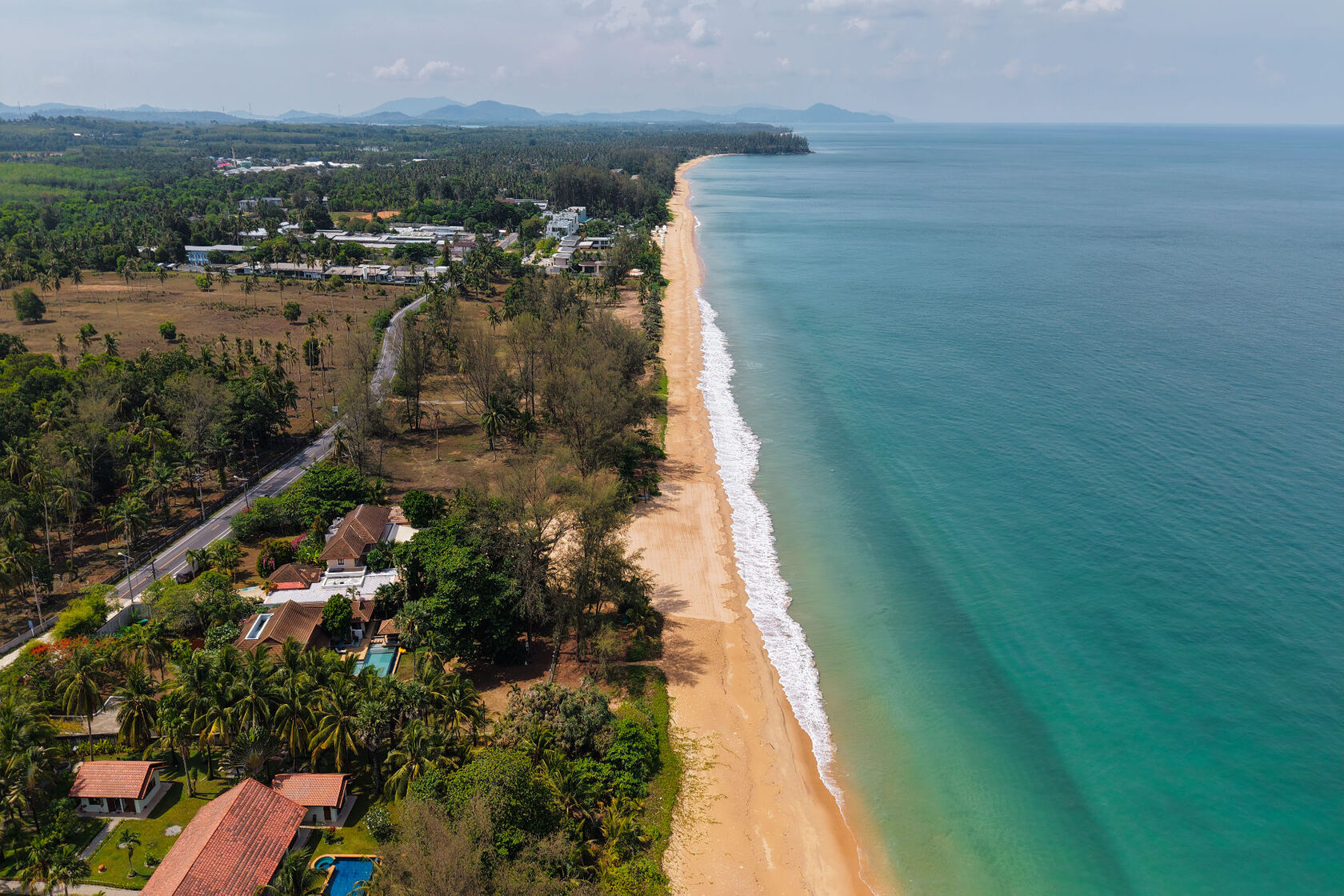
Natai Beach. The coastline the structures and figures on this page are actually about.
The structures
Four ways this is normally done
I
Thai company ownership
A Thai limited company holds the land; the foreign buyer holds a stake and controls the company. Common for villas and land. Requires genuine structuring and ongoing compliance — it is a company, with filings and obligations, not a wrapper.
Land · VillasII
Leasehold
A registered long lease over the land, with the building often held separately in the buyer's own name. Simple, transparent, registered at the Land Office. The trade-off is the term, and what happens at renewal.
Land · VillasIII
Building ownership
Thai law permits land and structure to be held separately — a foreign buyer may own the house outright while leasing the ground beneath it. Frequently paired with a registered lease.
VillasIV
Condominium freehold
The one true foreign freehold in Thailand — within a registered condominium's foreign ownership quota. Not applicable to beachfront villas or land, but relevant to some residences.
ResidencesStructures are described here in general terms, as background. Which is appropriate, and on what terms, depends entirely on the specific plot and buyer — and must be confirmed by a qualified Thai property lawyer.
The process
What actually happens,
and how long it takes
01
Conversation
What you are looking for, what you are not, and whether Natai is even the right answer. Sometimes it isn't, and we would rather say so early.
02
Viewing
On the ground. Plots look different at high tide, and different again in September. We will show you both if you have the time.
03
Due diligence
Title search, boundary check, access, encumbrances, zoning. Your lawyer leads. We open the doors and know where to look.
04
Structure & terms
Deciding how the holding will work before agreeing a price, not afterwards. Getting that order wrong costs people money.
05
Transfer
At the Land Office. Fees settled, title registered. Usually a morning — occasionally not.
06
After
Construction, renovation, management, letting — or nothing at all. We are a minute from the beach either way.
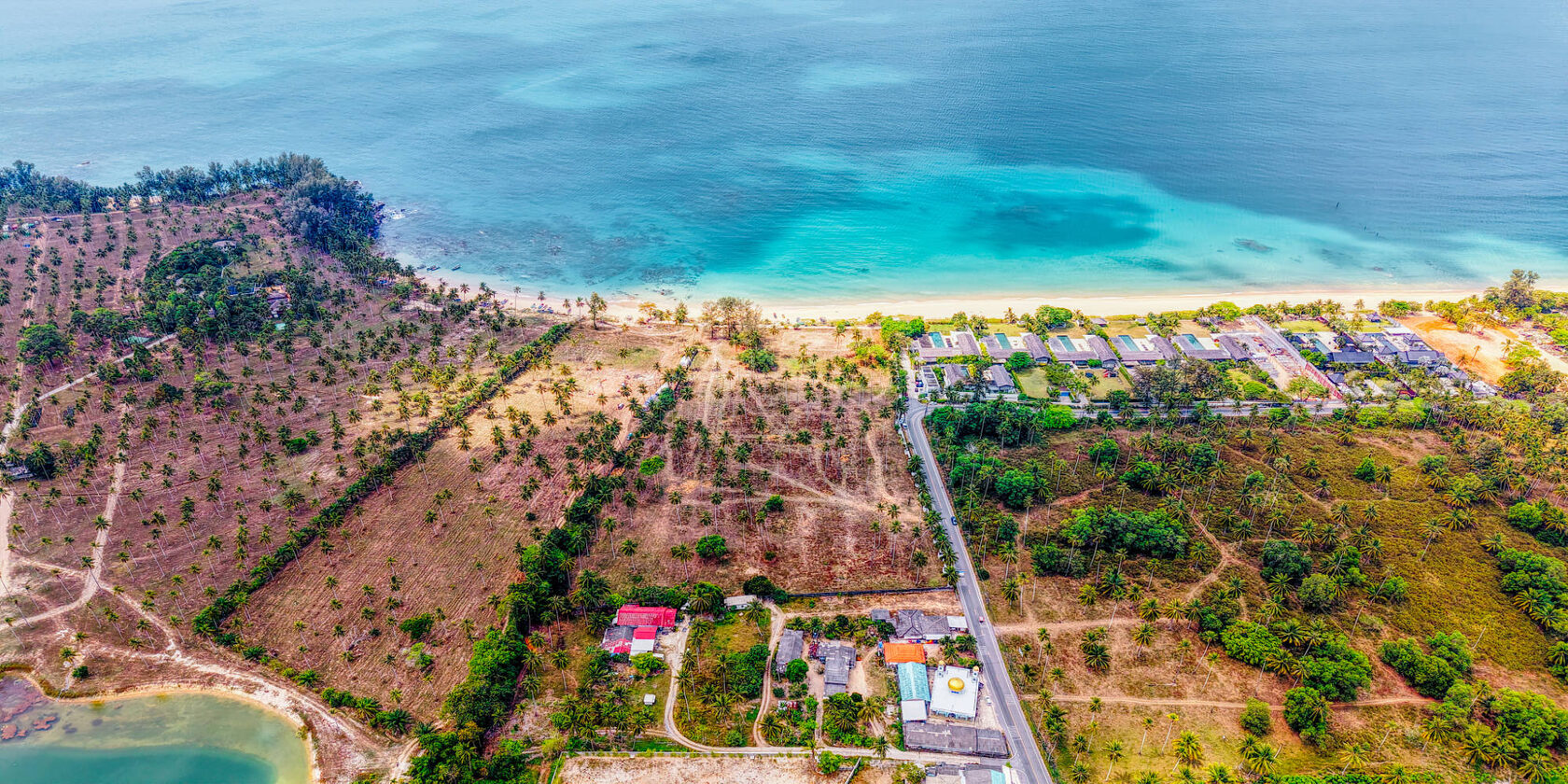
Pilai Beach, looking south. Same coastline, same ownership rules — the structures on this page apply the length of it.
Costs
What you pay beyond the price
Transaction costs in Thailand are modest by European standards, but not nil — and who pays what is negotiable.
| Item | Typical | Usually paid by |
|---|---|---|
| Transfer fee | [VERIFY] | Negotiated — often split |
| Specific business tax | [VERIFY] | Seller |
| Stamp duty | [VERIFY] | Seller |
| Withholding tax | [VERIFY] | Seller |
| Legal fees | [VERIFY] | Buyer |
| Company formation | [VERIFY] | Buyer, if applicable |
Rates depend on holding period, assessed value, and structure, and are revised from time to time. Figures here are indicative only and should be confirmed for your transaction.
Plainly
What we do, and what we don't
We will
- Walk you through every step of the process
- Tell you where a plot is likely to snag, early
- Open the doors at the Land Office and with local contractors
- Explain how the structures generally work
- Build, renovate, manage or let it afterwards
- Tell you when the answer is no
We won't
- Act as your lawyer — we want you to have your own
- Promise a yield we cannot evidence
- Tell you the zoning is permanent
- Sell you a countdown
- List a property we would not put our name to
- Chase you
Questions
Asked most often
Can a foreigner own land in Thailand?
Not freehold, in their own name. Foreign buyers use established alternatives — most commonly a Thai company holding, or a registered long lease with separate building ownership. Which is appropriate depends on the plot and the buyer.
Is a Thai company structure legitimate?
Properly constituted, yes — it is an ordinary Thai limited company with real obligations, filings and substance. Structures set up as hollow vehicles to disguise foreign land holding are a different matter, and not something we will assist with.
What happens at the end of a lease?
This is the right question to ask, and the answer depends entirely on how the lease was drafted. It is the single most important reason to instruct your own lawyer rather than accept a seller's paperwork.
Do you provide rental yield figures?
Where a property has a documented letting history, we will share it during due diligence. Where it doesn't, we will not invent a projection. A number we cannot evidence is worth nothing to you.
How long does a purchase take?
From agreed terms to transfer, commonly a matter of weeks — longer where a company is being formed or a title needs work. The due diligence, not the transfer, is what takes the time. It should.
Can you recommend a lawyer?
We can point you toward firms that work on this coast and know the Land Office here. We will not instruct one on your behalf, and we would be wary of any seller who offered to.
Get in touch
Ask us the awkward
questions first.
Every enquiry is handled personally. We respond within 24 hours.